Most accidents on small residential sites come from a few repeat risks: trench edges, weak scaffolding, moving machines and badly stacked material. Here are practical safety habits for Tenkasi homeowners and contractors.
Excavation edges and trenches
Deep trenches can collapse without warning, especially after rain or when soil is piled at the edge. Keep excavated soil and materials well back from the lip, and never let a worker stand in a deep trench with an unsupported vertical wall. Slope or step the sides, or provide shoring, as your engineer advises for the soil. Mark open trenches with rope or barricades so that children, animals and night visitors do not fall in. Check the sides at the start of every shift and after rain, and keep a ladder or an easy exit in each trench.
Scaffolding and working at height
Use scaffolding that is firm at the base, tied to the building and fitted with full working platforms and edge protection. Avoid makeshift bamboo and rope arrangements that have not been checked, and do not overload a platform with bricks or mortar pans. Provide a proper ladder and keep it secured at the top. Stop work at height in strong wind or on wet, slippery boards. Workers should have sensible footwear, and a harness where the work and the anchor point make it suitable. Inspect scaffolding after any storm. Never allow anyone to climb a leaning pole or a frame that moves under weight.
JCB and tipper movement
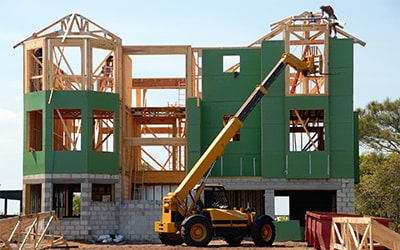
A moving machine has blind spots, and the people nearest to it are often those who cannot be seen. Keep the work zone of a JCB clear of workers and bystanders, and stand where the operator can see you before you approach. Use a signaller when a tipper or tractor reverses, especially on narrow lanes or near trenches. Do not let anyone ride on a trailer or in the bucket. Keep the machine back from trench edges, as its weight can cause a collapse. Plan routes so vehicles do not cross walkways.
Stacking and handling materials
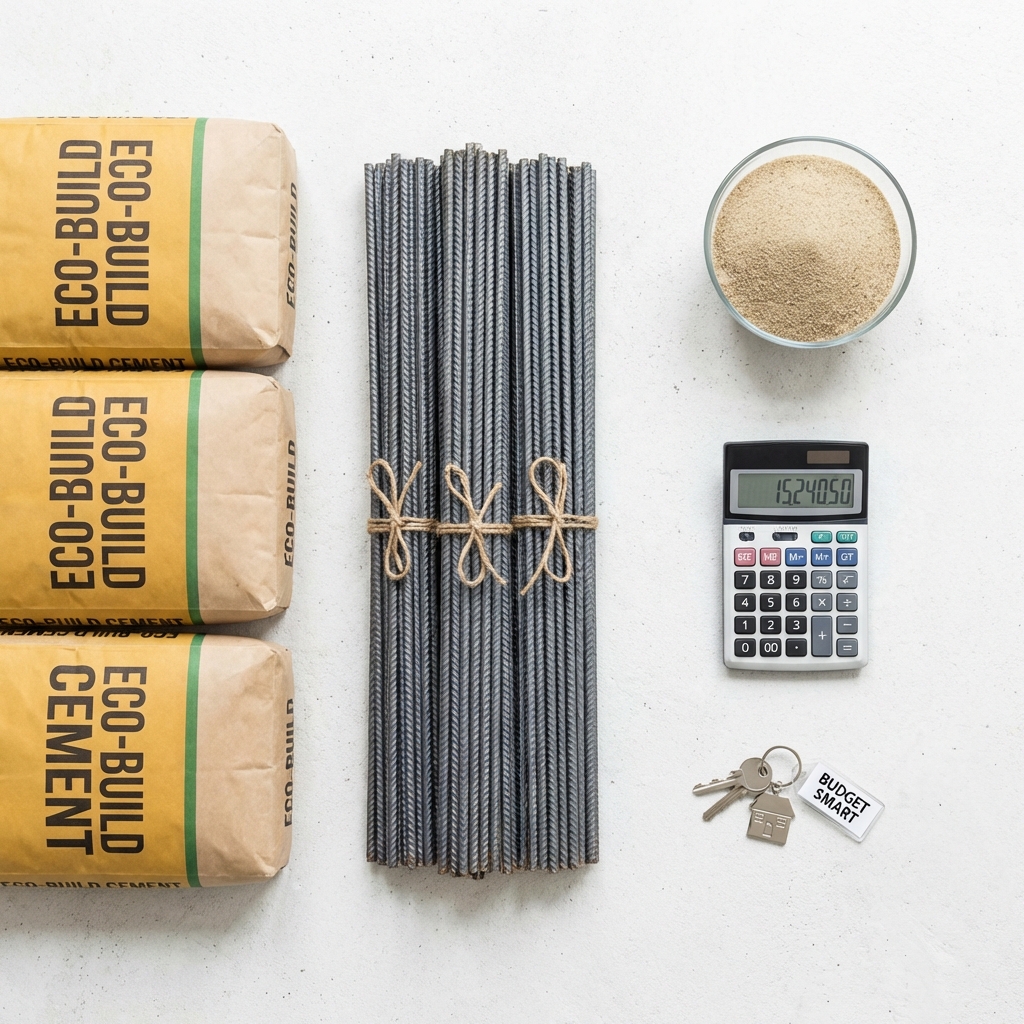
Stack bricks and blocks in stable, limited-height piles on firm ground, with the base wider than the top. Keep cement bags on a platform in short stacks, and bundles of steel bars supported so they cannot roll. Do not heap sand or aggregate against a compound wall that may not take the pressure. Use proper lifting posture for heavy bags and avoid carrying loads on wet stairs. Keep walkways clear so that materials do not become tripping hazards, and remove sharp offcuts and protruding nails promptly. Check pile stability again after rain, because wet bricks and sand shift more easily.
Everyday site habits
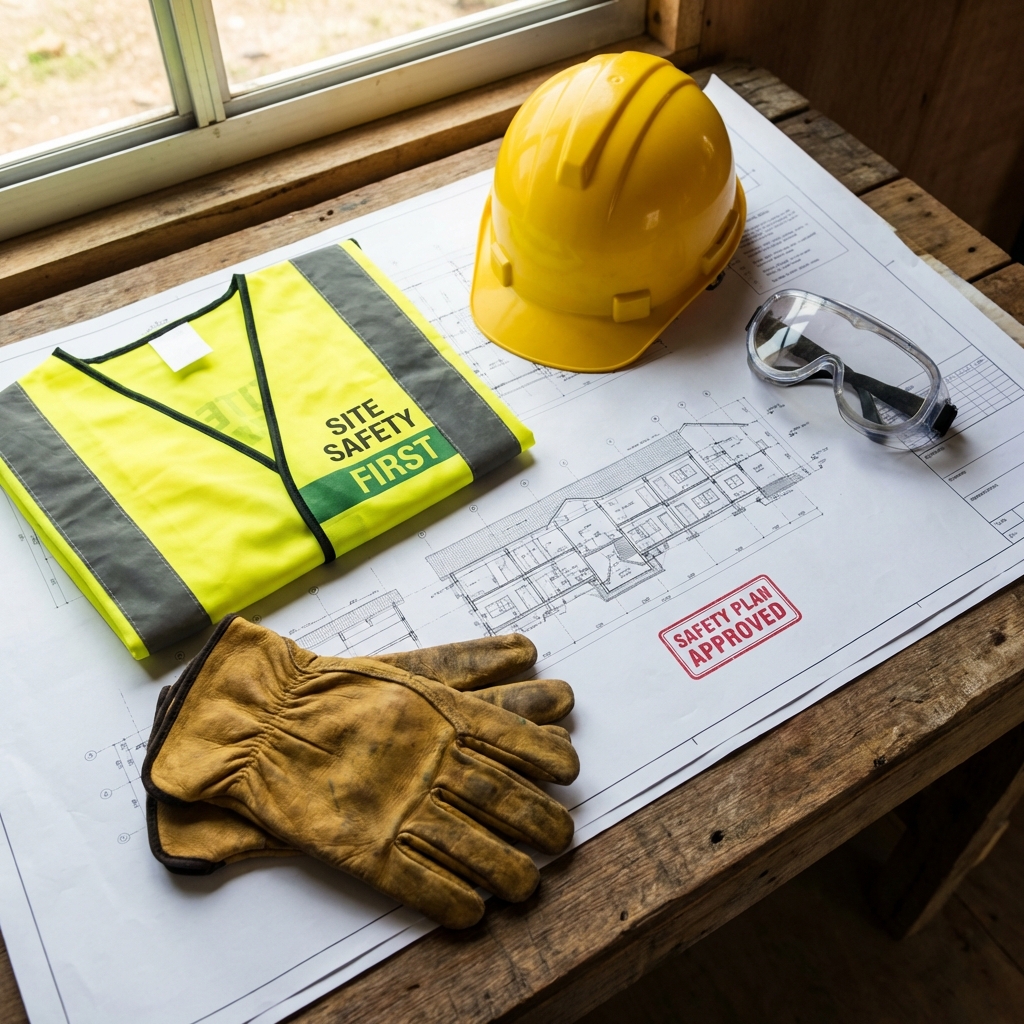
Keep a basic first aid kit, a phone with emergency numbers, and a clear route for an ambulance. Provide helmets, gloves and sturdy footwear, and make sure electrical work, including temporary site wiring and cables near water, is done properly and kept off wet ground. Brief new workers on the hazards before they start, and appoint one person to stop work if something looks unsafe. Plan deliveries and machine hire so they happen when the site is organised, not in the middle of other work. Keep children and visitors away from the work area, and close the gate when no one is on site.
Conclusion
Safety on a small site is mostly habit: keep trench edges clear, build scaffolding properly, control vehicle movement, stack material neatly and brief every worker. These are general practical pointers and do not replace advice from your engineer or any rules that apply to your project. Call or WhatsApp +91 76676 66264 to schedule deliveries and JCB visits for Tenkasi sites at times that keep your work safe and organised.
Reviewed by the TKR team. See our editorial policy for how guides are written, checked and updated.