Should your Tenkasi house use an RCC pillar frame or a stone-based load-bearing foundation? Understand how each works, where each is commonly chosen and why your engineer and soil decide the answer.
Two ways to carry a house
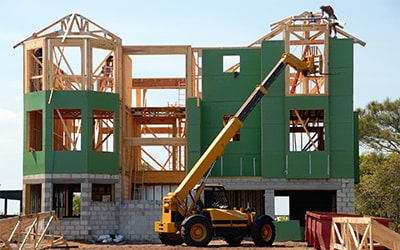
There are two common ways to hold up a small house. In an RCC pillar frame, concrete columns and beams carry the loads down to isolated footings, and the walls are only infill. In a stone-based or load-bearing system, the walls themselves carry the load down to a continuous strip foundation, often built with stone masonry on a levelled base. Both have been used for generations in Tamil Nadu. Neither is automatically better. The right choice depends on the soil, the number of floors, the budget and plans for later extension.
How the RCC frame works
In a frame house, columns bear the weight of the slab and upper floors, and footings spread each column's load into the soil. Because walls do not carry the structure, you can place doors and windows freely, use lighter blocks, and add a floor later if the columns and footings were designed for it. This is why most new houses in towns and growing areas use frames. Our standard construction rate is based on an RCC frame with TMT steel, since it suits modern plans and multiple floors. Ask how future floors would be supported.
How the stone-based system works
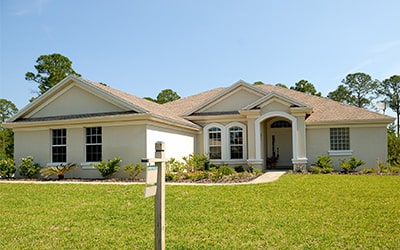
In a load-bearing wall system, thick walls on a continuous foundation transfer weight directly to the ground. It can work for a single-storey house with short spans, good soil and moderate roof loads, and it uses less steel. The limits are that walls must be thick, openings must be modest, and adding floors or removing a wall later can be difficult or unsafe. Many such houses also use RCC bands and a slab, and an engineer should confirm the design. Check local rules and approvals as well. Ask the engineer to note the soil type and the assumed bearing capacity on the drawing.
Soil decides a lot
Soil conditions around Tenkasi differ from plot to plot, so general rules only go so far. Hard ground may allow shallow footings, while soft, clayey or filled soil near tanks, streams and fields usually needs deeper footings or additional reinforcement. Before choosing a system, ask an engineer to look at the plot and, for anything beyond a small house, consider a soil test. Making the choice from a neighbour's house is risky, since the soil only a few metres away can behave differently. Drainage matters too, because a plot that collects water after rain behaves differently from a dry, sloping one.
Foundation materials
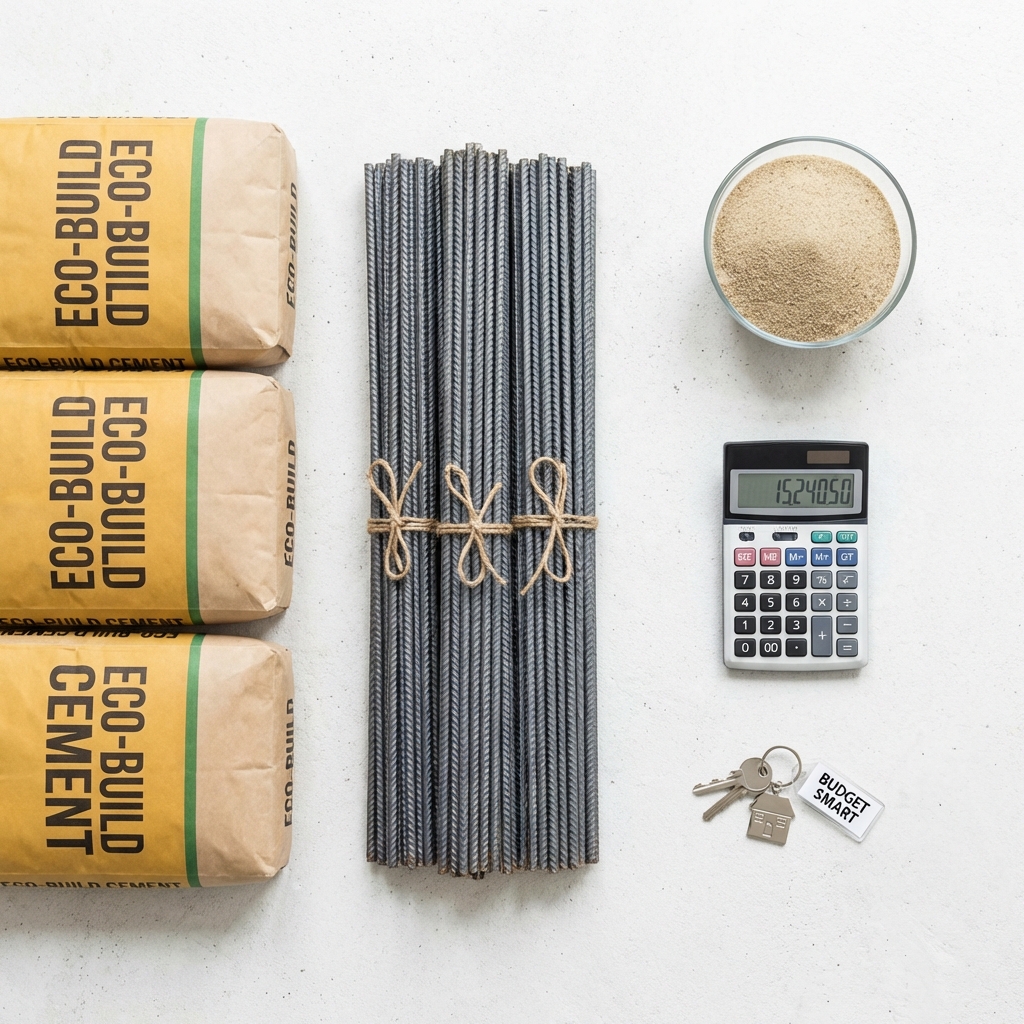
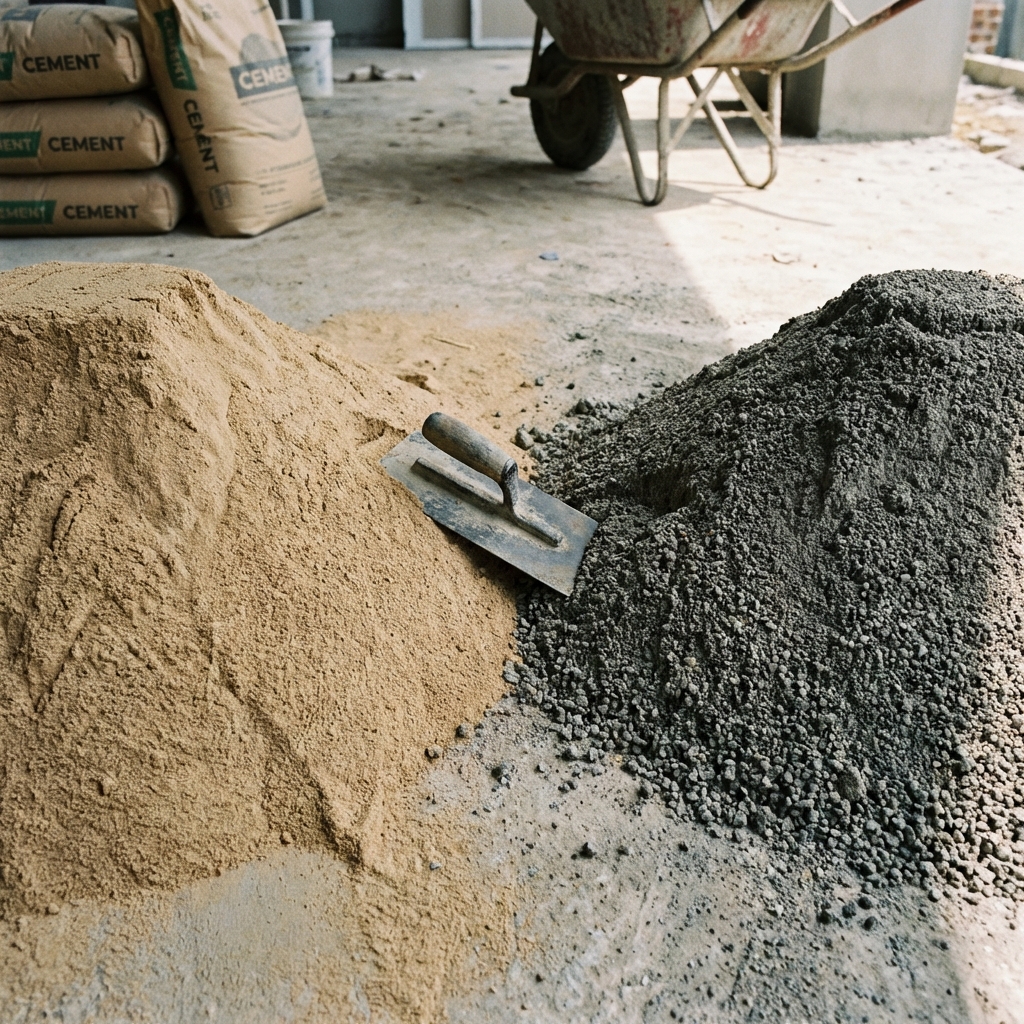
Whichever system you choose, the foundation needs sound material. Kundu kal is used for soling beneath footings, blue metal and M-Sand go into concrete, and TMT bars reinforce the footings in a frame. Poor quality at this level is hard to repair after the house is built, so spend care here, and keep the site drained during the monsoon so the trenches do not collapse or flood. Do not start digging until the foundation depth and width are marked on the drawing. Keep the excavation drained if rain is forecast, and never leave trenches open for long.
Making the decision
Ask your engineer to compare both options for your plot, floors and budget, and to give the choice in writing. Use our construction cost guide to see what a frame house typically includes, and our construction material calculator to estimate materials once the design is fixed. Share photos and the plot size with your engineer and visit the site together, since looking at the ground in person is more reliable than any general rule. We do not decide foundation design, and our role is to supply the materials once the engineer has fixed the design. Ask for the quantity list in units and kilograms so that we can confirm availability and delivery for your site within our delivery area.
Conclusion
An RCC frame suits most new homes, especially if you may add a floor, while a stone-based system may suit a small single-storey house on good ground. Only an engineer who has seen your plot can decide. Get the soil advice first and the quantities second. We can supply the materials once the design is fixed. Call or WhatsApp +91 76676 66264 for delivered rates.
Reviewed by the TKR team. See our editorial policy for how guides are written, checked and updated.