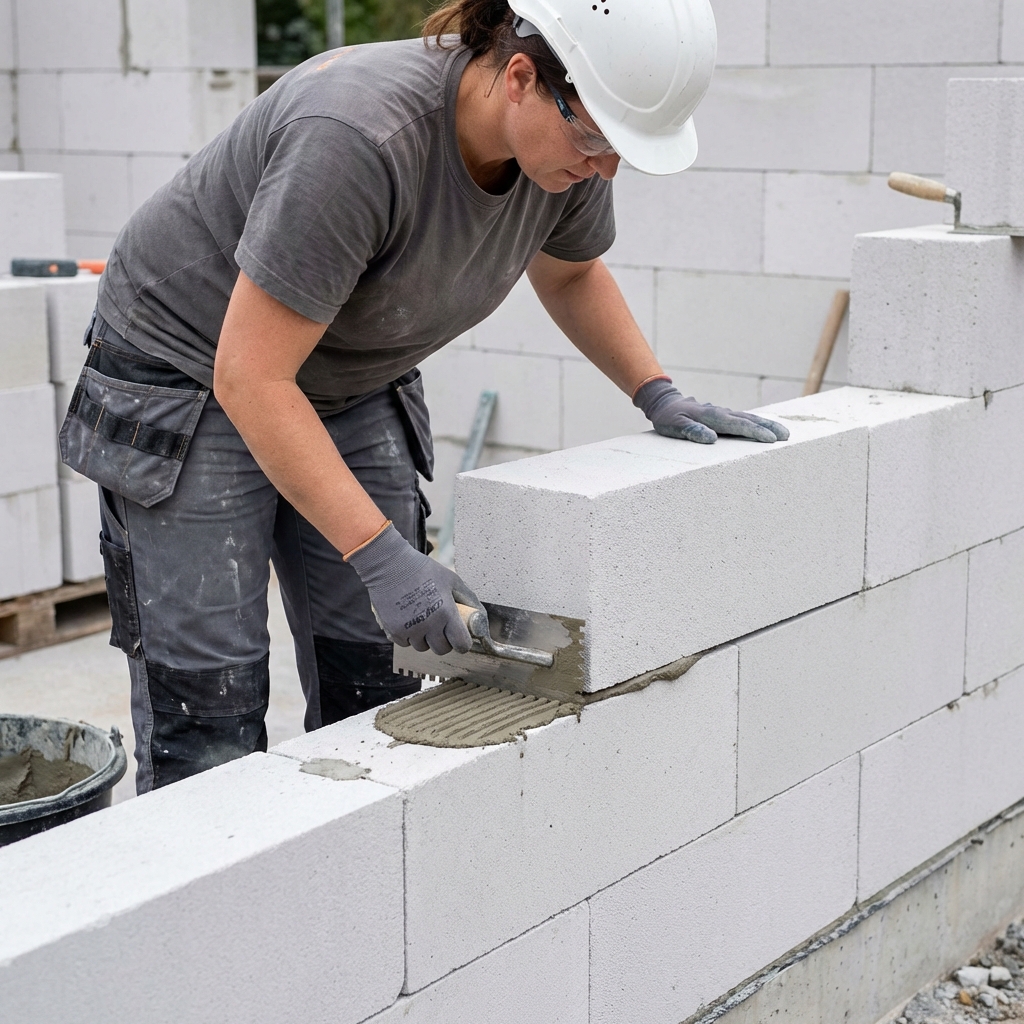
AAC blocks are the lightest walling material commonly used in Tamil Nadu and red bricks are the oldest. Searches comparing the two have risen sharply because the choice affects not only the wall but also the steel in your frame and the comfort of the house. Here is a practical comparison for Tenkasi builders.
What AAC blocks are
Autoclaved Aerated Concrete (AAC) blocks are made from cement, lime, fly ash or sand and an aluminium powder that foams the mix into millions of tiny air cells, then cured under steam pressure. A standard block is 600 x 200 mm on the face and 100, 150 or 200 mm thick. The air cells make the block about one third the weight of an equal volume of red brick.
Weight and what it does to your structure
Red brick masonry weighs roughly three times as much as AAC masonry. In an RCC-framed house, lighter walls mean less dead load on beams, columns and footings, which lets the engineer reduce steel and concrete in the frame. On upper floors and in multi-storey buildings this saving can be significant. In a load-bearing single-storey house, however, AAC is usually not used for the main walls.
Thermal and sound insulation
The trapped air gives AAC much better thermal insulation than red brick, so rooms stay cooler in summer and air conditioning costs drop. AAC also dampens sound better. Red bricks offer good natural insulation compared with cement blocks, but AAC is a clear step ahead.
Count, mortar and plaster
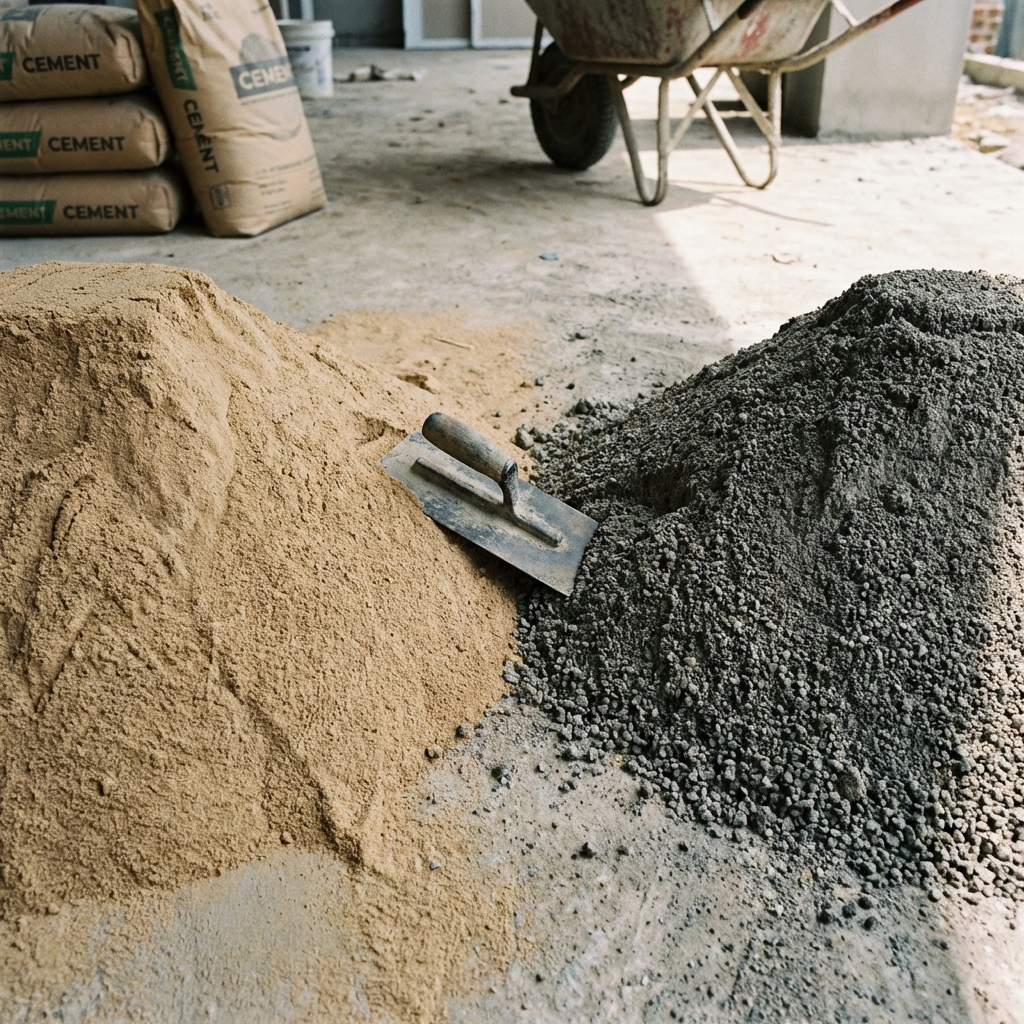
One AAC block covers about 1.3 square feet of wall, so you need under one block per square foot against ten or more red bricks. Blocks are laid with thin-bed adhesive or a thin cement mortar and come out very flat, so plaster can be as thin as 10 to 12 mm. Laying is fast and uses far less sand and cement.
Cost and the practical drawbacks
Per cubic foot of wall, AAC blocks cost more than red bricks, and the savings come from adhesive, plaster, labour and frame steel rather than the block price. AAC is softer, so wall-hung fixtures need special anchors, and external walls must be plastered or rendered promptly because the block absorbs water if left exposed. Site breakage is also higher if blocks are handled roughly.
Which to use where
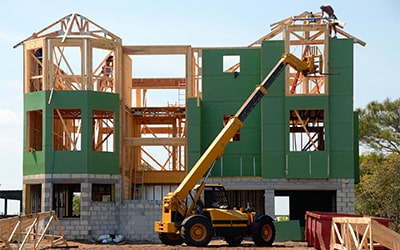
Use AAC blocks for infill and partition walls in RCC-framed houses, especially on upper floors, and wherever heat and noise insulation matter. Use red bricks for exposed brickwork, load-bearing walls in small single-storey houses and compound walls that take knocks. Many Tenkasi houses combine a block or brick ground floor with AAC upper floors.
Conclusion
AAC blocks give the lightest, coolest and fastest wall and can save steel in a framed house, at a higher block price and with some care in fixing and finishing. Red bricks remain the robust, familiar choice for load-bearing and exposed work. TKR Building Materials supplies bricks, solid and hollow blocks and can arrange AAC blocks for your project in Tenkasi district. Call or WhatsApp +91 76676 66264 to compare delivered rates for your wall area.
Reviewed by the TKR team. See our editorial policy for how guides are written, checked and updated.